


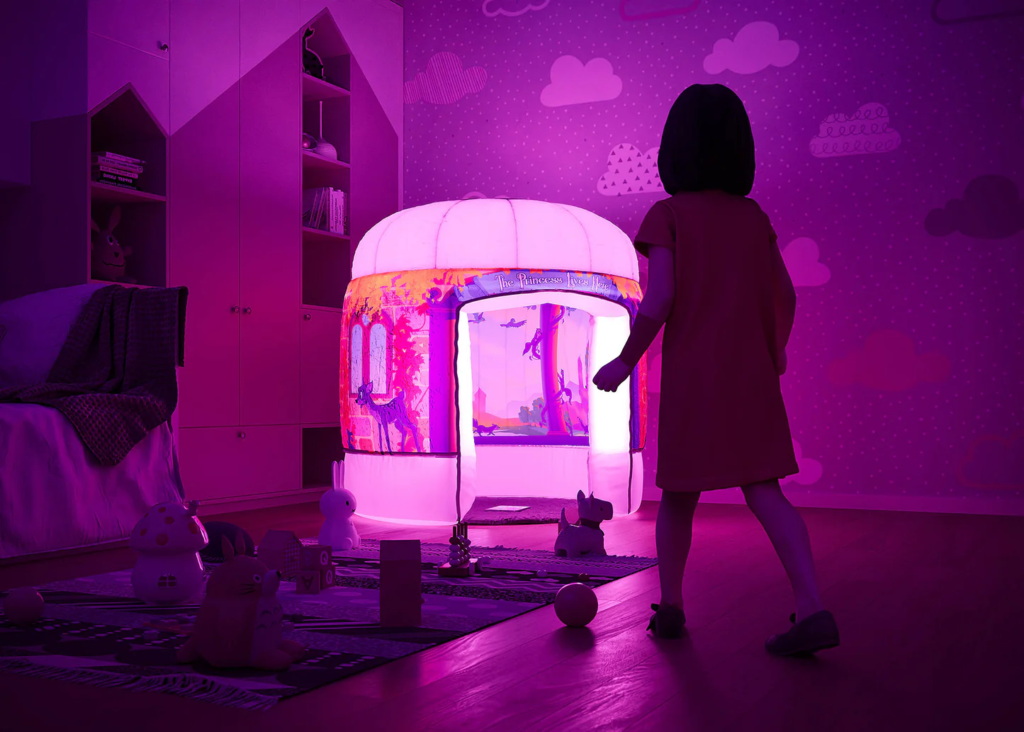
Children with autism often experience the world differently than their peers. Everyday sights, sounds, and interactions can sometimes feel overwhelming or stressful. These experiences can lead to anxiety, frustration, or sensory overload. For parents, caregivers, and educators, finding ways to help children manage these challenges is very important. One solution that has gained attention in recent years is the calming sensory tent for autism. These specially designed tents create a safe and personalized space where children can relax, explore, and feel secure.
Understanding the Need for a Personalized Relaxation Zone
Children with autism may have heightened sensitivity to their environment. Noises, bright lights, or crowded spaces can easily cause stress. A personalized relaxation zone offers them a controlled environment where they can regulate their emotions and senses. A calming sensory tent for autism is designed to meet this need. Inside the tent, children can enjoy a quiet and comforting space that is tailored to their sensory preferences. By having a dedicated area to retreat to, children can practice self-soothing techniques, reducing overall anxiety and promoting emotional well-being.
Features of a Calming Sensory Tent for Autism
Calming sensory tents for autism come with features that help create a therapeutic and enjoyable experience for children. Many tents are made with soft materials and gentle colors to reduce visual stimulation. Some include dim lighting, soft fabrics, or even small sensory toys to engage tactile and visual senses. The enclosed design of the tent helps children feel secure, giving them a sense of privacy and control. Each feature is thoughtfully included to support children in feeling calm and focused, providing a space that is uniquely theirs.
Benefits of Using a Sensory Tent
The benefits of a calming sensory tent for autism extend beyond just comfort. These tents encourage relaxation, help reduce meltdowns, and support emotional regulation. Children can develop coping skills by learning to retreat to their safe space when they feel overwhelmed. Additionally, sensory tents promote independent play and creativity, giving children the freedom to explore textures, sounds, or lights at their own pace. This independence is important for building confidence and fostering a sense of autonomy, which can positively impact their overall development.
How Parents and Educators Can Use Sensory Tents Effectively
Parents and educators play a key role in helping children use calming sensory tents successfully. It is important to introduce the tent in a positive and encouraging way. Allowing children to personalize their space with familiar items, such as a favorite blanket or small toy, can make the experience more comfortable. Consistent use of the tent during stressful or high-energy times can help children form healthy routines. Adults should also observe how children respond to the tent, making adjustments to lighting, sounds, or textures to ensure the space continues to meet their sensory needs. By providing guidance without pressure, children can fully benefit from their personalized relaxation zone.
Creating a Routine Around the Sensory Tent
Establishing a routine that includes the sensory tent can maximize its effectiveness. Parents and educators can schedule short sessions where children are encouraged to use the tent after school, during breaks, or before bedtime. Over time, children learn to recognize the tent as a safe and predictable place to calm down. This routine not only supports emotional regulation but also strengthens the child’s sense of stability. A calming sensory tent for autism becomes more than just a physical space; it becomes a part of daily life that promotes overall well-being and comfort.
Supporting Emotional and Sensory Development
Sensory tents are more than just a quiet corner. They play an important role in emotional and sensory development. The safe, controlled environment allows children to explore different textures, sounds, and visual effects without feeling overwhelmed. This exploration helps them understand their own sensory preferences and boundaries. As children gain better control over their reactions to sensory input, they also build resilience and confidence. A calming sensory tent for autism serves as a bridge between overwhelming external stimuli and a child’s ability to self-regulate in a supportive, low-pressure setting.
Conclusion
Calming sensory tents for autism provide children with a unique and personalized space to relax, explore, and feel secure. These tents are thoughtfully designed to meet the sensory and emotional needs of children with autism, offering a quiet refuge from the challenges of daily life. By encouraging relaxation, supporting sensory exploration, and promoting independence, sensory tents can have a lasting positive impact on a child’s development and well-being. Parents and educators who integrate these tents into routines can help children build coping skills, reduce anxiety, and enjoy a safe and comforting environment. In today’s fast-paced and often overstimulating world, a calming sensory tent for autism offers children the gift of a peaceful and personalized space where they can simply be themselves.
