


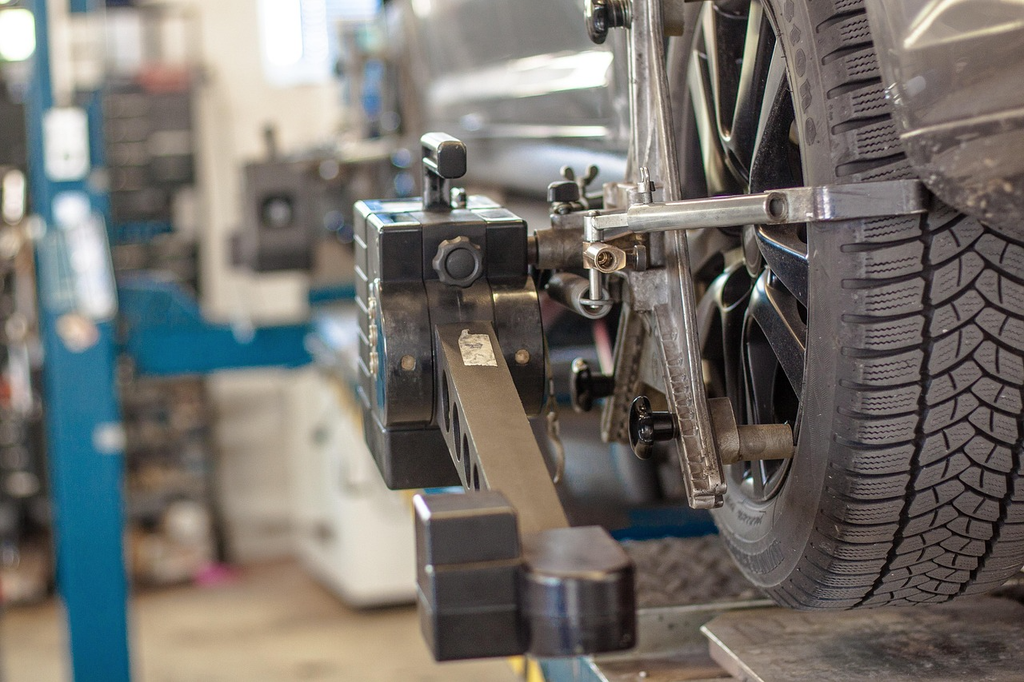
A reliable vehicle is important for commuting, family activities, errands, and everyday travel. Regular Auto Repair in Hudsonville MI can help drivers maintain dependable vehicle performance while identifying potential problems before they become serious. Routine inspections, timely maintenance, and professional repairs can improve safety, reduce unexpected breakdowns, and help vehicles remain useful for many years.
The Importance of Regular Vehicle Maintenance
Every vehicle experiences normal wear and tear over time. Components such as brakes, tires, batteries, belts, fluids, suspension parts, and steering systems gradually lose efficiency through regular use.
Ignoring small issues can allow them to develop into larger mechanical problems. Regular maintenance provides an opportunity to inspect important systems and address concerns before they affect the vehicle’s overall operation.
Preventing Unexpected Problems
Unexpected vehicle failures can be inconvenient and expensive. A vehicle that appears to operate normally may still have developing issues that are difficult to notice during everyday driving.
Regular inspections can identify warning signs such as unusual noises, fluid leaks, worn components, weak batteries, or changes in handling. Addressing these concerns early can help prevent sudden breakdowns.
Improving Vehicle Safety
Safety should always be a priority for drivers. Several vehicle systems directly influence how safely a car can operate on the road.
Brake System Maintenance
Brakes are among the most important safety components. Worn brake pads, damaged rotors, or other braking problems can affect stopping performance.
Regular inspections can help identify excessive wear and other concerns. Replacing worn components at the appropriate time can help maintain dependable braking performance.
Tire and Steering Checks
Tires provide the contact between the vehicle and the road. Incorrect tire pressure, uneven wear, damaged tread, and alignment problems can affect handling and traction.
Steering components also require attention because problems can make the vehicle more difficult to control. Routine inspections help ensure these systems remain in suitable condition.
Maintaining Engine Performance
The engine is one of the most complex systems in a vehicle. It requires proper lubrication, cooling, fuel delivery, and electrical operation to function efficiently.
Regular Oil and Fluid Service
Engine oil helps reduce friction between moving components. Over time, oil can become contaminated or lose some of its effectiveness.
Other fluids, including coolant, transmission fluid, brake fluid, and power steering fluid where applicable, also play important roles. Checking fluid levels and condition can help protect vehicle systems from unnecessary wear.
Addressing Warning Signs Early
Drivers should pay attention to changes in engine behavior. Difficulty starting, unusual sounds, reduced acceleration, excessive exhaust, or warning lights can indicate a problem.
Seeking an inspection when these signs first appear may help prevent minor concerns from becoming major repairs.
Extending Vehicle Lifespan
A vehicle represents a significant investment, so many drivers want to keep it operating for as long as possible. Preventive maintenance can contribute to longer component life and more dependable performance.
Reducing Component Wear
Regular maintenance helps ensure that mechanical systems receive the attention they require. Replacing worn filters, inspecting belts, checking fluids, and maintaining tires can reduce unnecessary strain on various components.
When individual systems operate correctly, the vehicle may experience less overall stress during daily use.
Supporting Long-Term Reliability
Reliability develops through consistent care rather than occasional repairs. Following recommended maintenance intervals gives drivers a structured way to monitor vehicle condition.
Keeping maintenance records can also help track completed services and identify recurring problems.
Improving Fuel Efficiency
Vehicle condition can influence fuel consumption. Problems involving tires, engine performance, air filters, sensors, or other systems may contribute to reduced efficiency.
Proper Tire Maintenance
Underinflated tires can increase rolling resistance, which may require the engine to work harder. Maintaining appropriate tire pressure can support efficient operation while also promoting better handling.
Keeping the Engine Properly Maintained
An engine that operates correctly can perform more efficiently than one affected by neglected maintenance issues. Regular inspections can help identify conditions that may contribute to unnecessary fuel consumption.
Reducing Repair Costs Over Time
Preventive maintenance may seem like an additional expense, but it can help reduce the likelihood of larger repair bills.
Small Repairs Can Prevent Larger Issues
A worn belt, weak battery, leaking hose, or damaged brake component may be relatively simple to address when discovered early. If ignored, the same issue could potentially damage other components.
Early attention can therefore help drivers manage repair expenses more effectively.
Better Maintenance Planning
Routine service allows vehicle owners to anticipate maintenance needs instead of dealing with unexpected failures. Planning repairs around regular schedules can make vehicle ownership more manageable.
Adapting to Seasonal Driving Conditions
Weather and road conditions can affect vehicles throughout the year. Seasonal changes may create additional demands on tires, batteries, cooling systems, heating systems, and other components.
Preparing for Winter
Cold temperatures can place additional stress on batteries and affect tire pressure. Drivers should ensure that important systems are inspected before demanding winter conditions arrive.
Preparing for Summer
Hot weather can affect cooling systems, batteries, tires, and fluids. Checking these components before extended summer driving can help reduce the risk of overheating or other problems.
Recognizing Common Warning Signs
Drivers should never ignore noticeable changes in vehicle performance. Warning signs may include dashboard lights, vibrations, unusual smells, strange noises, fluid leaks, pulling to one side, or difficulty starting.
When Professional Inspection Is Needed
If a problem continues or becomes more noticeable, professional inspection can help determine its cause. Accurate diagnosis is important because several different issues can produce similar symptoms.
Addressing problems promptly can protect other vehicle components and help restore dependable operation.
Choosing a Consistent Maintenance Routine
A maintenance routine should consider the vehicle’s age, mileage, driving habits, and operating conditions. Drivers who frequently travel long distances, carry heavy loads, or drive in demanding conditions may require more frequent attention.
Keeping Maintenance Records
Maintaining a record of inspections and repairs provides a useful history of the vehicle. It can help owners remember when important services were completed and make future maintenance planning easier.
Conclusion
Regular vehicle care is one of the most effective ways to support safety, performance, efficiency, and long-term reliability. By paying attention to warning signs, maintaining essential systems, and addressing problems promptly, drivers can reduce unexpected disruptions and protect their vehicle investment. Professional Auto Repair in Hudsonville MI can provide the inspections, maintenance, and repairs needed to keep vehicles dependable for everyday driving and changing road conditions.
