


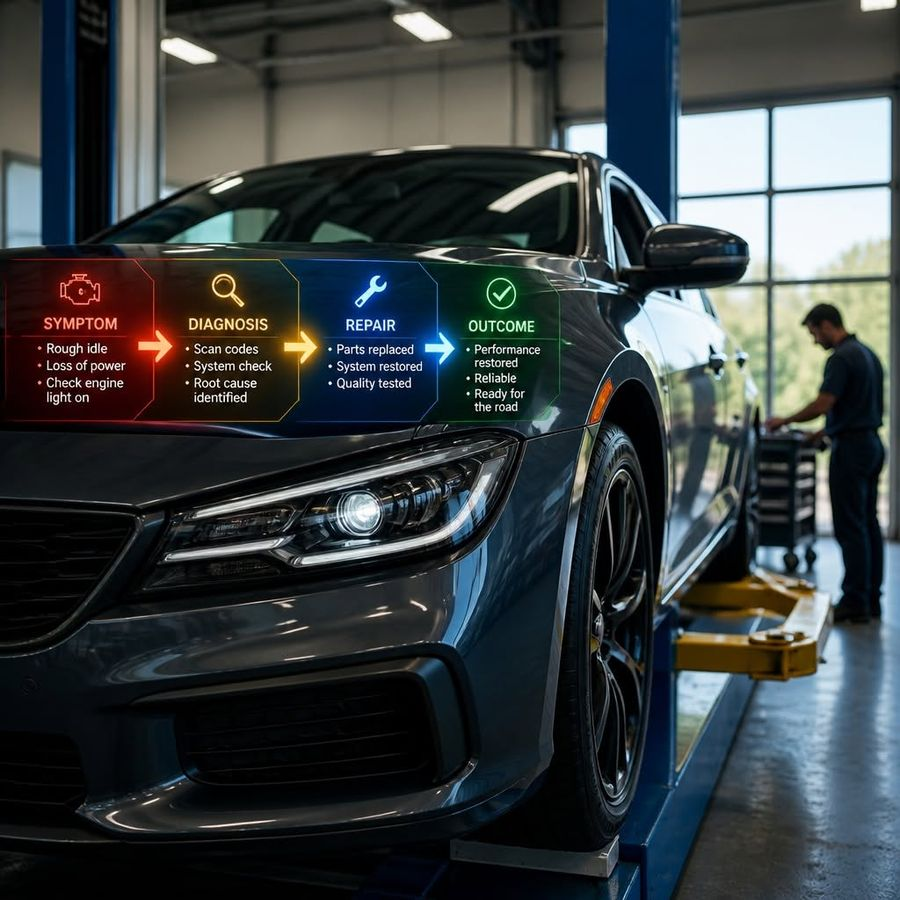
A vehicle often shows clear warning signs when something is wrong with its mechanical or electrical systems. Recognizing these symptoms early can help drivers avoid unexpected breakdowns, expensive repairs, and dangerous driving situations. Changes in engine performance, unusual noises, fluid leaks, and dashboard warning lights should never be ignored. Professional Auto Repair in Fayetteville, TN can help identify these issues early and prevent minor problems from developing into serious mechanical failures. Understanding when to seek professional assistance helps drivers make informed decisions and maintain their vehicles in safe operating condition. Paying attention to these signs is an important part of responsible vehicle ownership and long-term maintenance.
Unusual Noises Coming From Your Vehicle
Strange sounds are among the most common indicators that a vehicle needs professional attention. Different noises can point to different mechanical problems, making it important to notice when they occur and where they seem to originate.
Grinding and Squealing Sounds
Grinding noises while braking may indicate that brake pads are severely worn or that metal components are making contact. Continuing to drive under these conditions can damage brake rotors and reduce stopping performance. Squealing sounds may also suggest worn brake pads, although other components can produce similar noises.
Drivers should arrange an inspection when these sounds persist. If braking becomes weak, the pedal feels unusual, or grinding is accompanied by difficulty stopping, the vehicle should not be driven until it has been assessed safely.
Knocking and Rattling Noises
Knocking sounds from the engine can indicate lubrication problems, worn internal components, or other mechanical concerns. Rattling may come from loose exhaust parts, damaged heat shields, or components within the suspension system.
The timing of a noise can help a mechanic identify its possible source. Sounds that occur during acceleration, turning, braking, or driving over uneven surfaces provide useful diagnostic information. Recording when the noise appears can help technicians investigate the problem more efficiently.
Dashboard Warning Lights That Require Attention
Dashboard warning lights communicate important information about the condition of a vehicle. Some indicate routine maintenance requirements, while others signal problems that need immediate action.
Check Engine Warning Light
The check engine light may illuminate because of an emissions problem, a faulty sensor, an ignition issue, or another engine-related concern. A steady light generally calls for timely diagnosis, especially if the vehicle begins running poorly.
A flashing check engine light can indicate a serious engine misfire that may damage the catalytic converter. Drivers should reduce driving and stop in a safe location when necessary, arranging professional assistance rather than continuing a long journey.
Oil Pressure and Temperature Warnings
An oil pressure warning can indicate that the engine is not receiving adequate lubrication. Low oil pressure may cause severe internal damage if the engine continues running. Drivers should safely stop the vehicle and switch off the engine as soon as possible.
An overheating warning is equally important. Excessive engine temperature can result from coolant leaks, cooling fan problems, thermostat failures, or other cooling system issues. Never remove a radiator cap while the engine is hot because pressurized coolant can cause serious burns. Allow the engine to cool and seek professional guidance.
Changes in Braking Performance
A properly functioning braking system is essential for controlling a vehicle and responding to hazards. Any noticeable change in braking performance deserves attention.
Soft Brake Pedals and Longer Stopping Distances
A brake pedal that suddenly feels soft, sinks toward the floor, or requires unusual pressure may indicate a hydraulic problem. Air in the brake lines, fluid leaks, or a failing master cylinder can affect braking operation.
Longer stopping distances may also result from worn brake pads, damaged rotors, contaminated components, or tire-related problems. Because these conditions can increase the risk of an accident, drivers should avoid operating a vehicle with seriously reduced braking performance.
Vehicle Pulling During Braking
If a car pulls strongly to one side when the brakes are applied, possible causes include uneven braking force, a sticking caliper, or tire and suspension problems. Vibration through the steering wheel or brake pedal may indicate rotor issues or other mechanical concerns.
A professional inspection can determine the cause and identify the necessary repairs. Brakes should not be ignored simply because the vehicle still stops under normal conditions.
Fluid Leaks Beneath Your Car
Fluid leaks can indicate problems that affect engine performance, cooling, steering, braking, or transmission operation. Finding a puddle beneath a parked vehicle should prompt further investigation.
Recognizing Different Automotive Fluids
Engine oil is often brown or black, while fresh coolant may appear green, orange, pink, or another color depending on its formulation. Transmission fluid can be reddish or brown, and brake fluid is commonly clear to amber. However, color alone cannot reliably identify every fluid.
Drivers should avoid touching unknown fluids or placing themselves beneath an unsupported vehicle. A mechanic can identify the leaking substance and determine whether a hose, seal, gasket, reservoir, or another component requires repair.
Why Leaks Should Not Be Ignored
A small leak can gradually reduce fluid levels until a system no longer operates correctly. Low engine oil can damage internal components, while coolant loss can cause overheating. Brake fluid leakage may seriously compromise stopping ability.
If a leak is accompanied by smoke, overheating, a brake warning, or rapid fluid loss, stop driving when safe and arrange appropriate assistance. Early diagnosis may prevent additional damage and reduce the overall repair burden.
Steering, Suspension, and Tire Problems
Steering and suspension systems help maintain vehicle control, stability, and comfort. Problems with these components can affect handling and increase the difficulty of driving safely.
Difficulty Steering or Maintaining Control
A steering wheel that becomes unusually stiff, loose, or difficult to control may indicate a power steering issue, damaged steering components, or another mechanical fault. New vibrations, clunking sounds, or excessive bouncing can suggest suspension wear.
If steering suddenly becomes difficult or vehicle control is compromised, pull over safely and request assistance. Continuing to drive with a serious steering problem can put the driver and other road users at risk.
Uneven Tire Wear and Pressure Loss
Tires with uneven tread wear may indicate incorrect alignment, improper inflation, worn suspension components, or other issues. Frequent pressure loss may result from punctures, damaged valves, or problems with the wheel and tire seal.
Regularly checking tire pressure and tread condition helps identify developing concerns. Bulges, exposed cords, severe cracks, and significant tire damage require immediate attention because they can increase the risk of tire failure.
When to Seek Professional Automotive Assistance
Knowing when to stop driving is just as important as recognizing a warning sign. Smoke, burning smells, sudden power loss, severe vibration, fluid loss, and unexpected changes in vehicle control should be treated seriously. When these symptoms occur, move away from traffic if possible, switch off the engine when appropriate, and arrange roadside assistance.
Routine inspections can also identify problems before they become emergencies. Following the recommended maintenance schedule, replacing worn components, checking fluid levels, and addressing warning lights promptly can help preserve reliability. Keeping records of previous repairs allows technicians to understand recurring problems and make more informed recommendations.
Conclusion
Recognizing warning signs early helps drivers protect their vehicles, reduce unexpected expenses, and improve road safety. Unusual noises, dashboard warnings, braking problems, fluid leaks, and steering difficulties should never be dismissed without proper evaluation. Timely inspections and professional repairs can prevent minor faults from developing into expensive mechanical failures. Drivers seeking Auto Repair in Fayetteville, TN can consider professional diagnostic and maintenance services to address these concerns, while Fayetteville Automotive is a relevant local search term when exploring automotive service options. Regular maintenance and prompt attention to developing problems help keep vehicles dependable and ready for everyday driving.
