


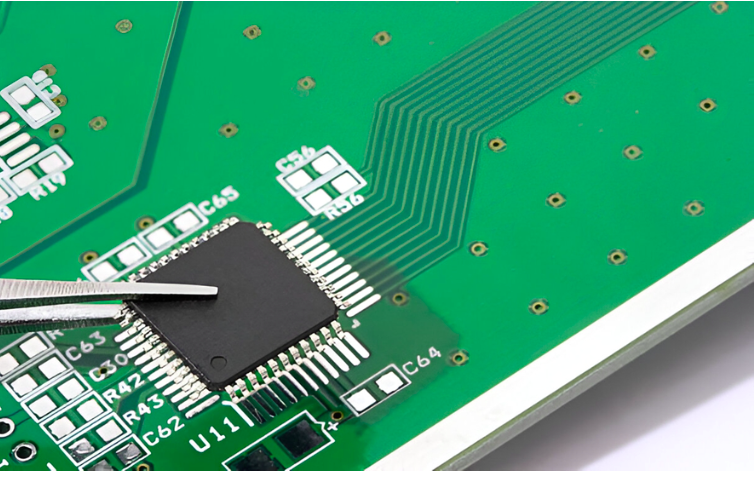
Printed circuit boards serve as the foundation of nearly every modern electronic device. From smartphones and laptops to medical equipment, automotive systems, and industrial machinery, PCBs provide the platform that connects and supports electronic components. However, a bare printed circuit board cannot perform any function on its own. It must undergo an assembly process that transforms it into a fully operational electronic circuit. This leads to a common question among engineers, product developers, and business owners: What is the PCB Assembly?
PCB assembly is one of the most important stages in electronics manufacturing because it determines how effectively electronic components are integrated onto a circuit board. The quality of the assembly process directly influences product reliability, functionality, and overall performance. Understanding PCB assembly helps businesses make informed decisions when selecting manufacturing partners and developing new electronic products.
What is the PCB Assembly?
To answer the question, what is the PCB Assembly44, it is the process of mounting electronic components onto a fabricated printed circuit board and creating the electrical connections necessary for the circuit to function. During assembly, components such as resistors, capacitors, integrated circuits, connectors, transformers, and sensors are placed onto designated locations on the PCB according to engineering specifications.
Once the components are positioned, soldering techniques are used to create secure electrical and mechanical connections between the components and the board. After assembly is completed, the PCB becomes a Printed Circuit Board Assembly, commonly referred to as a PCBA.
The assembly process transforms a non-functional board into the electronic core of a finished product. Without proper assembly, even the most advanced PCB design cannot perform its intended function.
Why PCB Assembly Is Important
PCB assembly plays a critical role in determining the reliability and performance of electronic products. Every signal, command, and electrical function within a device depends on properly assembled components and high-quality solder joints.
Poor assembly practices can result in electrical failures, intermittent connections, overheating, reduced product lifespan, and costly warranty claims. In industries such as aerospace, medical technology, automotive electronics, and industrial automation, assembly quality is particularly important because failures can have significant operational consequences.
A well-executed assembly process ensures that products perform consistently under various operating conditions while meeting customer expectations and industry standards. This is why manufacturers invest heavily in advanced assembly equipment, quality control systems, and skilled technical personnel.
The Main Stages of PCB Assembly
The PCB assembly process involves several carefully controlled stages that work together to create a reliable electronic product.
The process typically begins with preparing manufacturing documentation and verifying all required materials. Engineering files, bills of materials, and assembly drawings are reviewed to ensure production accuracy.
Next, solder paste is applied to the PCB using a stencil printing process. This paste contains tiny solder particles suspended in flux and serves as the bonding material for surface-mounted components.
Automated pick-and-place machines then position electronic components onto the solder-paste-covered pads with exceptional precision. Modern placement systems can install thousands of components per hour while maintaining high accuracy levels.
Following component placement, the PCB enters a reflow oven where controlled heating melts the solder paste and forms permanent electrical connections. The assembly is then cooled before moving to inspection and testing stages.
Each step must be carefully monitored to maintain product quality and manufacturing consistency.
Surface Mount Technology in PCB Assembly
Surface Mount Technology, commonly known as SMT, is the most widely used assembly method in modern electronics manufacturing. SMT involves mounting components directly onto the surface of the printed circuit board rather than inserting leads through drilled holes.
SMT offers several advantages, including smaller board sizes, higher component density, faster production speeds, and greater automation capabilities. These benefits allow manufacturers to create compact and sophisticated electronic devices that meet today’s performance requirements.
Most consumer electronics, telecommunications equipment, industrial control systems, and medical devices rely heavily on SMT assembly. Automated placement equipment and reflow soldering processes make SMT highly efficient for both low-volume and high-volume production.
As electronic products continue to become more compact, SMT remains a critical technology in PCB assembly operations.
Through-Hole Technology and Its Applications
Although SMT dominates modern manufacturing, through-hole technology continues to play an important role in certain applications. Through-hole assembly involves inserting component leads through drilled holes in the PCB and soldering them on the opposite side.
This method provides stronger mechanical connections and is often used for components exposed to vibration, mechanical stress, or high electrical loads. Connectors, transformers, relays, and power devices frequently utilize through-hole mounting.
Many electronic products combine SMT and through-hole technologies within the same assembly. This mixed-technology approach allows manufacturers to balance compact design requirements with mechanical durability.
Understanding both assembly methods is essential when evaluating what is the PCB Assembly and how different products are manufactured.
Quality Control in PCB Assembly
Quality control is a fundamental aspect of PCB assembly because even minor defects can impact product performance. Manufacturers implement multiple inspection procedures throughout production to ensure assembly accuracy and reliability.
Automated Optical Inspection systems are commonly used to verify component placement, polarity, solder joint quality, and assembly integrity. These systems can identify defects quickly and consistently across large production volumes.
For advanced semiconductor packages such as Ball Grid Arrays, X-ray inspection may be used to evaluate hidden solder joints that cannot be examined visually.
In addition to visual inspection, manufacturers perform electrical testing to verify circuit functionality. In-Circuit Testing, flying probe testing, and functional testing help identify defects before products reach customers.
Comprehensive quality control procedures improve manufacturing yields and reduce the risk of field failures.
Common Challenges in PCB Assembly
Despite advances in manufacturing technology, PCB assembly can present several challenges. Miniaturization has increased assembly complexity as components become smaller and board densities continue to rise.
Manufacturers must also manage issues such as solder bridging, component misalignment, insufficient solder joints, thermal stress, and material compatibility. Supply chain challenges can further complicate production when critical components become difficult to source.
To address these issues, manufacturers rely on advanced process controls, automation, operator training, and Design for Manufacturability practices. Continuous process improvement helps reduce defect rates and improve production efficiency.
Successfully managing these challenges is essential for delivering reliable electronic products in competitive markets.
The Future of PCB Assembly
The future of PCB assembly is being shaped by technological advancements in automation, artificial intelligence, and smart manufacturing systems. Modern factories increasingly utilize real-time process monitoring, machine learning algorithms, and predictive maintenance technologies to improve production consistency.
High-density interconnect designs, advanced semiconductor packaging, and miniaturized components are driving the development of more sophisticated assembly capabilities. Manufacturers are also investing in environmentally responsible processes and sustainable production practices.
As demand for electric vehicles, Internet of Things devices, medical technologies, and industrial automation continues to grow, PCB assembly will remain a cornerstone of global electronics manufacturing.
Conclusion
For anyone asking what is the PCB Assembly, it is the essential manufacturing process that transforms a bare printed circuit board into a fully functional electronic system through component placement, soldering, inspection, and testing. The assembly process directly influences product quality, reliability, and performance across industries ranging from consumer electronics and telecommunications to aerospace, healthcare, and industrial automation. By combining advanced manufacturing technologies, rigorous quality control procedures, and skilled engineering expertise, manufacturers can produce reliable electronic assemblies that meet demanding industry requirements. Businesses seeking dependable electronics manufacturing often choose an experienced China PCB assembly company to benefit from advanced production capabilities, competitive pricing, scalable manufacturing capacity, and comprehensive quality assurance services.
