


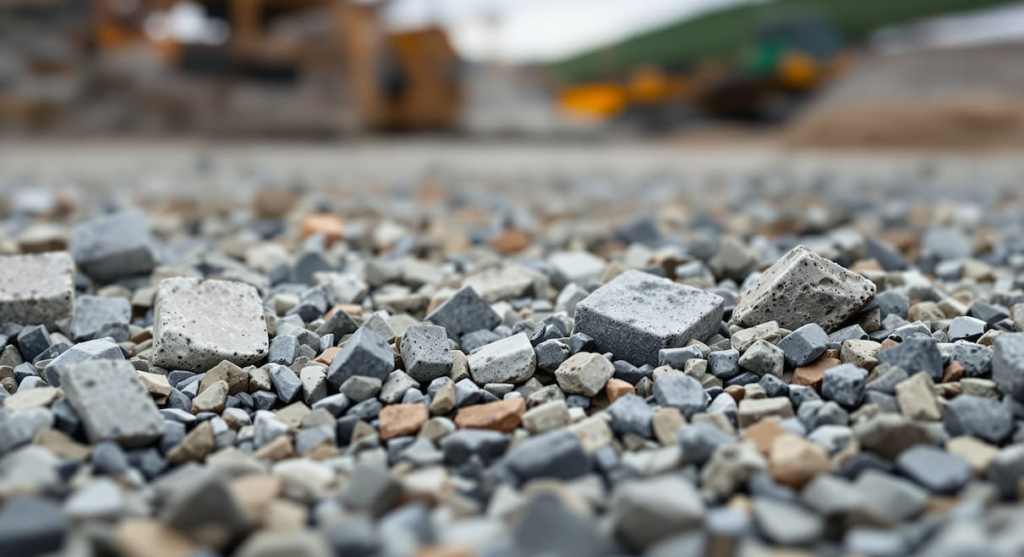
Demolition projects often create large piles of concrete, asphalt, brick, block, stone, metal, and mixed construction waste. Many contractors treat this material as a cleanup problem, but with the right strategy, demolition debris can become a valuable job site resource. Instead of paying to haul everything away, contractors can use a rock crusher to process hard debris into reusable aggregate, reduce disposal costs, and create more value from materials already on-site.
For contractors looking to improve margins, demolition debris recycling is one of the most practical ways to lower waste handling costs and increase project efficiency. Every load of debris that leaves a site can add expenses for trucking, fuel, labor, and disposal fees. At the same time, many projects still require aggregate for backfill, road base, drainage, access roads, or site preparation. When contractors can reuse material from the demolition phase, they save money on both disposal and new material purchases.
Getting more value from demolition debris starts with planning, sorting, crushing, and finding the best use for each material.
Why Demolition Debris Has Hidden Value
Demolition debris may look like waste, but much of it can be reused, recycled, or processed into useful material. Concrete, asphalt, brick, block, and stone can often be crushed into aggregate. Metal can be separated and recycled. Wood, cardboard, and certain fixtures may also have reuse or recycling potential, depending on the project.
The key is to stop viewing debris only as something to remove. Contractors who plan ahead can turn waste into cost savings and sometimes even additional revenue.
Demolition debris can create value by helping contractors:
- Reduce landfill and tipping fees
- Lower trucking costs
- Produce reusable aggregate
- Reduce purchases from aggregate suppliers
- Improve job site organization
- Support sustainability goals
- Offer more competitive project bids
This is the foundation of construction waste value recovery. Instead of allowing valuable material to leave the site as waste, contractors recover useful materials and put them back to work.
Start With a Debris Management Plan
A strong debris management plan should be created before demolition begins. Contractors should identify what materials will be generated, how they will be separated, where they will be staged, and whether they can be reused or recycled.
This plan should include concrete, asphalt, masonry, metal, wood, soil, roofing, fixtures, and general waste. Each material should have a clear handling method. Some materials may go to recycling facilities, some may be reused on-site, and some may need proper disposal.
Planning early helps prevent contamination. For example, clean concrete is easier to crush and reuse than concrete mixed with wood, trash, insulation, or soil. If debris is mixed together, recycling becomes harder and more expensive.
A good plan can also reduce downtime. Crews know where to place materials, equipment operators can move debris efficiently, and project managers can keep the site organized.
Sort Materials at the Source
Sorting materials as they are removed is one of the most important steps in demolition debris recycling. Waiting until everything is mixed into one pile makes cleanup slower and reduces the value of recyclable materials.
Contractors should create separate areas for concrete, asphalt, brick, block, scrap metal, wood, and general waste. Clear signage and crew instructions can help make sorting easier.
Excavators with grapples, loaders, magnets, and labor crews can all support material separation. Rebar, wire mesh, and metal fixtures should be separated when possible. This improves the quality of recycled construction materials and helps prepare hard debris for crushing.
Clean, sorted material is more useful. It can be processed faster, reused more easily, and may have greater value if taken to a recycling facility.
Use On-Site Debris Crushing
On-site debris crushing is one of the best ways contractors can turn demolition waste into usable material. Instead of hauling concrete, asphalt, brick, and stone off-site, contractors can crush it directly at the job site.
This approach can reduce multiple costs at once. Contractors may avoid disposal fees, reduce truck trips, and lower the need to buy new aggregate. Crushed material can often be reused for backfill, road base, driveway base, parking lot sub-base, drainage layers, temporary access roads, and general fill.
On-site crushing can also make the job site cleaner and more efficient. Large piles of broken concrete or asphalt take up space and slow down equipment movement. Once crushed, the material is easier to stockpile, move, and reuse.
For demolition contractors working on large projects, roadwork, site preparation, or redevelopment jobs, crushing debris on-site can create major savings.
How a Jaw Crusher Helps Process Demolition Waste
A jaw crusher for demolition waste is designed to handle tough, bulky materials such as concrete slabs, foundations, asphalt chunks, brick, block, and stone. It uses compressive force to break large material into smaller, more manageable pieces.
This type of equipment is especially useful on demolition sites because debris is often irregular in size and shape. Large concrete chunks can be difficult to load, transport, or reuse without processing. A jaw crusher helps reduce that material into aggregate that can be screened, stockpiled, or used on the project.
Jaw crushers are also valued because they are durable, straightforward to operate, and capable of handling hard material. When paired with excavators, loaders, magnets, and screeners, they can become part of a complete recycling workflow.
For contractors who handle demolition debris regularly, crushing equipment can turn a costly waste stream into a reliable source of reusable material.
Reuse Crushed Material on the Same Project
One of the easiest ways to increase value is to reuse crushed material on the same job site. This reduces the need for hauling debris away and bringing new aggregate in.
Depending on project specifications and local requirements, crushed concrete, asphalt, brick, or stone may be used for:
- Road base
- Temporary construction roads
- Parking lot sub-base
- Driveway base
- Backfill
- Trench fill
- Drainage layers
- General fill
- Site stabilization
Reusing material on-site can also improve project scheduling. Contractors do not have to wait for as many aggregate deliveries, and they can keep materials available for the next phase of work.
Before reuse, contractors should confirm that the crushed material meets project requirements. Size, cleanliness, compaction, drainage performance, and contamination levels may all matter depending on the application.
Sell or Transfer Recycled Construction Materials
Not every project can reuse all of its crushed material. In some cases, contractors may be able to sell, transfer, or reuse recycled construction materials on other projects.
For contractors with multiple active job sites, crushed material from one demolition project may support another site preparation or roadwork job. This can reduce aggregate purchasing across the business.
Some local markets may also accept recycled concrete aggregate or crushed asphalt. Demand depends on region, material quality, size consistency, and local construction needs.
To increase the value of recycled material, contractors should keep it clean, screen it to useful sizes, and store it properly. Better material quality creates more reuse opportunities.
Reduce Hauling and Disposal Costs
Hauling is one of the largest costs connected to demolition debris. Heavy materials such as concrete and asphalt can quickly reach truck weight limits, requiring more trips. Contractors must pay for fuel, drivers, truck wear, disposal fees, and time spent moving material off-site.
By crushing and reusing debris, contractors can reduce the number of truckloads leaving the site. This can create immediate savings, especially when disposal facilities are far away or landfill fees are high.
Reducing hauling also improves job site logistics. Fewer trucks entering and leaving the site can reduce congestion, improve safety, and limit disruption to nearby roads, businesses, or neighborhoods.
Use Screening for Better Material Quality
Crushing reduces material size, but screening improves consistency. A screener separates crushed material into different sizes, making it more useful for specific applications.
For example, larger material may be used for general fill, while finer material may be better suited for base layers or leveling applications. Screening can also remove unwanted fines or separate oversized pieces that need to be crushed again.
Adding screening to the workflow can improve material value and make recycled aggregate easier to use or sell.
Promote Sustainability to Clients
Many clients care about reducing waste and building more responsibly. Contractors who offer demolition debris recycling and construction waste value recovery can use these services as a selling point.
By showing clients how materials will be reused or recycled, contractors can demonstrate that they are reducing landfill use, lowering transportation needs, and making better use of project resources.
This can be especially valuable for municipalities, developers, commercial property owners, and projects with sustainability goals.
Final Thoughts
Demolition debris does not have to be treated as a costly problem. With the right approach, contractors can turn concrete, asphalt, brick, block, stone, and metal into valuable materials that support the project and improve profitability.
By planning ahead, sorting debris, using on-site debris crushing, and finding practical uses for recycled construction materials, contractors can reduce waste and lower costs. A jaw crusher for demolition waste can play a major role in this process by turning hard debris into reusable aggregate.
For contractors who want to improve margins, reduce hauling, and create more value from every project, construction waste value recovery is a smart strategy. The more value contractors can recover from demolition debris, the more competitive and efficient their business becomes.
