


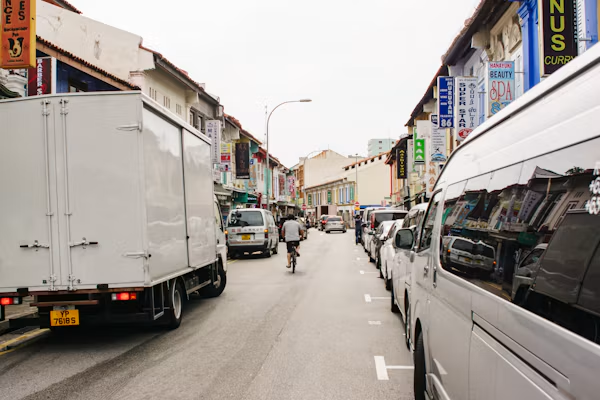
Moving large quantities of goods requires careful planning, suitable equipment, and dependable transportation. For businesses involved in construction, wholesale distribution, manufacturing, and logistics, commercial trucks play an important role in keeping daily operations organised. When materials fail to arrive on time or transportation capacity becomes insufficient, the impact can extend beyond a single delivery and affect several parts of the business.
In Singapore, companies often need to move products between warehouses, industrial facilities, construction sites, retail outlets, and customer locations. However, maintaining a fleet of owned trucks is not always the right financial decision. Renting commercial vehicles provides another way to manage transportation requirements while allowing businesses to adjust their capacity according to actual demand.
The Growing Importance of Commercial Truck Transportation
Commercial trucks support activities that smaller vehicles cannot always handle efficiently. Their larger loading areas and higher carrying capacities make them suitable for transporting construction materials, industrial equipment, packaged goods, and wholesale inventory.
For example, a supplier distributing products to several retail outlets may need to transport a large quantity of stock in a single journey. Using an appropriately sized truck can reduce the number of trips and make delivery schedules easier to manage.
Construction businesses have different requirements. They may need to transport timber, steel components, machinery, and other materials between suppliers and project locations. Reliable transportation helps workers receive essential supplies when they are needed.
Manufacturers also depend on trucks to move raw materials and finished products. Any interruption in transportation can affect production schedules, warehouse space, and customer commitments.
Matching Truck Capacity With the Type of Cargo
Choosing a commercial truck should begin with understanding the cargo rather than simply selecting the largest available vehicle.
Businesses need to consider the total weight, dimensions, shape, and handling requirements of their goods. A shipment containing heavy machinery may require a different vehicle configuration from one carrying lightweight but bulky packaging materials.
The maximum payload is particularly important. A truck may have sufficient physical space for a shipment but still be unsuitable because the total cargo weight exceeds its permitted carrying capacity.
Loading arrangements also deserve attention. Some businesses require an open-deck truck for materials that are difficult to load through conventional doors. Others may prefer an enclosed body to protect merchandise from rain, dust, and external conditions.
Tailgate facilities can be useful when deliveries involve heavy items and suitable loading equipment is unavailable at the destination.
Selecting the correct configuration helps reduce handling difficulties and makes transportation more predictable.
Why Renting Can Be Better Than Purchasing a Truck
Buying a commercial truck involves more than paying its purchase price. Businesses must account for insurance, maintenance, road-related expenses, depreciation, and the possibility of unexpected repairs.
For companies with changing workloads, these ongoing responsibilities may create unnecessary financial pressure. A vehicle that is heavily used during one period could remain underutilised when demand decreases.
Rental arrangements offer a different approach. Instead of committing substantial capital to vehicle ownership, businesses can arrange transportation for the period in which it is required.
This can be especially useful for smaller companies that want to preserve working capital for inventory, staffing, equipment, and other operational priorities.
Renting may also help businesses test new delivery routes or accept temporary contracts before deciding whether permanent fleet expansion is necessary.
However, rental charges and agreement conditions should always be reviewed carefully. The most economical arrangement is the one that matches actual usage rather than simply offering the lowest advertised rate.
Managing Large Deliveries More Efficiently
Transporting goods in larger quantities requires coordination between suppliers, warehouse teams, drivers, and receiving locations.
A poorly planned delivery can result in unnecessary waiting, repeated journeys, and additional handling costs. These problems are particularly frustrating when several customers depend on the same shipment.
Businesses can improve efficiency by preparing delivery schedules in advance. Orders should be organised according to their destination, urgency, and loading requirements.
When several deliveries are located within the same industrial or commercial area, combining them into one planned route may reduce unnecessary travel.
Warehouse staff should also prepare shipments before the vehicle arrives. Having goods ready for loading helps minimise vehicle waiting time and allows drivers to follow their schedules more consistently.
Clear communication between the warehouse and transport teams is equally important. Changes in delivery quantities, access arrangements, or customer availability should be communicated before the truck reaches its destination.
Supporting Construction and Industrial Projects
Construction projects frequently involve materials that are too heavy, oversized, or awkwardly shaped for ordinary delivery vehicles.
A project may require multiple shipments of steel, timber, concrete-related materials, equipment, and other supplies. The timing of these deliveries matters because different stages of construction depend on specific materials being available.
Commercial trucks help contractors coordinate these movements according to project requirements.
For engineering and industrial businesses, transportation needs can also change between assignments. One project might require regular deliveries of heavy components, while another may involve transporting machinery or specialised equipment.
Access to suitable rental vehicles allows companies to respond to these requirements without permanently expanding their fleet.
Before arranging transportation, project managers should confirm loading access, vehicle dimensions, cargo weight, and any site-specific restrictions. This preparation can prevent delays when trucks arrive at busy construction locations.
Controlling Fleet Expenses Through Better Planning
Transportation costs can become difficult to manage when businesses do not have a clear understanding of how their vehicles are being used.
Fuel consumption, unnecessary mileage, idle time, maintenance, and repeated trips can all affect operating expenses.
Keeping basic records of vehicle usage provides useful information for improving efficiency. Businesses can monitor the distance travelled, number of deliveries completed, fuel expenses, and average time spent on each assignment.
This information can help managers identify inefficient routes or vehicles that are not being used effectively.
Rental agreements should also be evaluated against expected usage. Companies need to understand daily or monthly charges, mileage conditions, insurance coverage, servicing responsibilities, and possible penalties.
Comparing the total operating cost is more useful than focusing on the rental price alone. A suitable vehicle and a well-structured agreement can help businesses manage their transportation budget more effectively.
Understanding Commercial Vehicle Rules in Singapore
Businesses operating commercial trucks in Singapore must pay attention to vehicle classification and applicable road regulations.
The Land Transport Authority classifies goods vehicles according to their maximum laden weight. Light Goods Vehicles have a maximum laden weight of up to 3,500kg, Heavy Goods Vehicles range from 3,501kg to 16,000kg, and Very Heavy Goods Vehicles exceed 16,000kg.
These classifications are important because different requirements apply to different vehicle categories.
Companies should check the appropriate driving licence class, parking arrangements, road restrictions, and vehicle weight limits before assigning a truck to a driver.
Certain heavy vehicles also have designated parking requirements. Oversized vehicles may require special movement permits, depending on their dimensions and weight.
Businesses should consult the official Land Transport Authority guidance to confirm the rules relevant to their particular vehicle and intended route.
Safety and Maintenance During Commercial Operations
A commercial truck carries valuable cargo and shares the road with other vehicles, making proper maintenance essential.
Before each journey, drivers should inspect the tyres, brakes, headlights, indicators, mirrors, and other important components. They should also check that the cargo is distributed correctly and secured against movement.
Overloading should never be treated as a way to reduce the number of trips. Excess weight can affect vehicle handling, braking performance, and overall road safety.
Regular servicing helps identify mechanical issues before they become more serious. Rental customers should understand whether the provider or the renter is responsible for maintenance, repairs, and breakdown assistance.
Drivers should also be familiar with the vehicle’s dimensions, particularly when entering loading bays, narrow access roads, and areas with height restrictions.
Finding a Suitable Truck Rental Arrangement
The right rental arrangement depends on how frequently a business needs transportation and the type of cargo it handles. Some companies require a truck for a short project, while others need a vehicle for ongoing distribution activities.
Before making a decision, businesses should compare available truck sizes, loading configurations, rental durations, payment conditions, and customer support arrangements.
Companies exploring their options can consider Singapore rent truck services to review commercial vehicle rental possibilities. Comparing the available arrangements with actual cargo and operational requirements can make it easier to choose a suitable transportation solution.
Building a More Reliable Transportation Strategy
Successful transportation planning is about more than having a vehicle available. Businesses need to coordinate cargo preparation, delivery schedules, driver responsibilities, route selection, and vehicle maintenance.
A well-organised approach helps reduce unnecessary trips, minimise delays, and improve the movement of goods between different locations.
Commercial truck rental can give businesses additional flexibility when transportation requirements change. By selecting suitable vehicles, understanding rental conditions, and following Singapore’s commercial vehicle regulations, companies can support their daily operations without taking on unnecessary fleet ownership commitments.
Ultimately, the best transportation arrangement is one that keeps goods moving safely, supports customer expectations, and makes financial sense for the business over time.
