


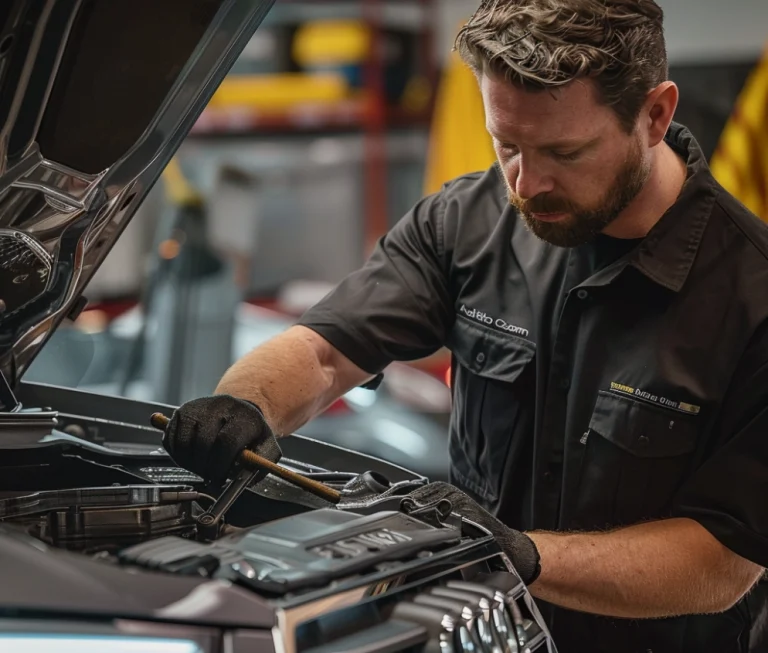
Keeping a luxury vehicle in excellent driving condition requires regular maintenance, responsible driving habits, and attention to important mechanical components. Every vehicle experiences gradual wear and tear through daily commuting, changing weather conditions, road surfaces, and long-distance journeys. Without proper care, minor mechanical concerns can eventually develop into expensive problems that affect performance, comfort, and safety. Regular inspections and timely servicing, including professional Mercedes repair Mendon MA services when needed, help maintain reliable operation while extending the lifespan of essential vehicle systems. Understanding basic maintenance requirements also allows owners to recognize early warning signs and make informed decisions about necessary repairs. With consistent care and professional attention, drivers can enjoy smoother performance and greater confidence on the road.
Follow a Consistent Maintenance Schedule
Regular maintenance is one of the most effective ways to preserve vehicle performance. Different mechanical components require inspections and servicing at specific intervals to ensure they continue functioning correctly. Following a suitable maintenance schedule helps prevent unnecessary wear and reduces the possibility of unexpected breakdowns.
Vehicle owners should review their maintenance records and follow the recommended service intervals. Important maintenance activities include oil changes, filter replacements, brake inspections, tire rotations, and fluid checks.
Understand Your Vehicle’s Maintenance Requirements
Every vehicle has different servicing requirements depending on its age, mileage, driving conditions, and mechanical design. Reviewing the owner’s manual provides useful information about recommended maintenance intervals and suitable replacement components.
Keeping a record of completed services also helps identify upcoming maintenance needs. This simple habit makes vehicle care more organized and prevents important servicing tasks from being overlooked.
Maintain Proper Engine Performance
The engine plays a central role in vehicle operation, making its maintenance particularly important. Regular inspections help ensure that internal components receive proper lubrication, cooling, and fuel delivery. Ignoring engine problems can affect acceleration, fuel efficiency, and overall reliability.
Drivers should pay attention to unusual noises, excessive vibrations, rough idling, and unexpected changes in performance. Dashboard warning lights should also be investigated instead of being ignored.
Check Engine Oil and Filters
Engine oil reduces friction between moving components and helps control operating temperatures. Over time, oil becomes contaminated and gradually loses its effectiveness.
Checking oil levels regularly and replacing it according to recommended intervals helps protect internal engine components. Air filters and oil filters should also receive attention because they support proper engine operation and help prevent contaminants from entering important systems.
Inspect the Braking System Regularly
A reliable braking system is essential for maintaining control and protecting passengers. Brake pads, rotors, calipers, and hydraulic components work together to provide consistent stopping performance.
As these components experience repeated friction and pressure, they gradually wear down. Regular inspections help identify problems before they affect braking efficiency or create unsafe driving conditions.
Recognize Common Brake Problems
Several warning signs may indicate that the braking system needs professional attention. Squealing sounds, grinding noises, steering wheel vibrations, and changes in pedal pressure should never be ignored.
Brake fluid levels should also be checked periodically. If the vehicle requires more distance to stop than usual, a qualified technician should inspect the system and identify the underlying cause.
Keep Tires in Excellent Condition
Tires have a direct impact on road grip, handling, braking, and driving comfort. Proper tire maintenance supports vehicle stability while helping reduce unnecessary fuel consumption.
Drivers should check tire pressure regularly and follow the recommended specifications. Incorrect pressure can lead to uneven tread wear, reduced handling performance, and additional stress on suspension components.
Monitor Tire Pressure and Tread Depth
Tire tread provides the traction necessary for maintaining control on different road surfaces. Worn tread can increase stopping distances, particularly during wet weather.
Regularly inspecting tread depth helps determine when replacement becomes necessary. Tire rotation and wheel alignment can also improve tire lifespan and maintain balanced handling.
Monitor Essential Vehicle Fluids
Different vehicle systems depend on fluids to operate smoothly and safely. Engine oil, coolant, brake fluid, transmission fluid, and power steering fluid each perform important functions.
Low fluid levels or contaminated fluids can affect mechanical performance and potentially damage expensive components. Checking fluid reservoirs and following recommended replacement schedules should therefore remain part of routine vehicle care.
Identify Leaks Before They Become Serious
Fluid leaks may develop because of damaged hoses, worn seals, loose connections, or aging components. Drivers should occasionally inspect the parking area beneath their vehicles for unusual stains or puddles.
Addressing leaks early can prevent overheating, lubrication problems, and additional mechanical damage. Professional inspections are useful when the source of a leak is difficult to identify.
Maintain the Battery and Electrical System
Modern vehicles depend on electrical systems for starting, lighting, safety features, and various comfort functions. A weak battery or faulty electrical connection can interrupt normal vehicle operation.
Battery performance gradually decreases with age, while extreme temperatures and frequent short journeys may accelerate deterioration. Regular testing helps identify potential battery problems before the vehicle fails to start.
Check Battery Connections
Battery terminals should remain clean and securely connected. Corrosion around the terminals can interfere with electrical flow and create starting difficulties.
Drivers should also monitor headlights, dashboard displays, power windows, and other electrical features. If several systems begin malfunctioning, a professional inspection may help identify charging or wiring problems.
Pay Attention to Suspension and Steering
The suspension and steering systems influence vehicle stability, handling, and passenger comfort. Shock absorbers, struts, control arms, and related components help maintain proper contact between the tires and road surface.
Worn suspension parts can create excessive vibrations, unusual noises, and uneven tire wear. Steering problems may also make the vehicle difficult to control, particularly during turns or emergency maneuvers.
Recognize Handling Changes
Drivers should pay attention to pulling, bouncing, steering wheel vibrations, and knocking sounds when traveling over uneven roads. These symptoms may indicate worn suspension components or alignment problems.
Regular inspections help maintain balanced handling and improve overall driving comfort. Replacing damaged components when necessary also prevents additional stress on connected mechanical systems.
Develop Responsible Driving Habits
Driving behavior has a significant influence on vehicle condition and long-term maintenance expenses. Sudden acceleration, aggressive braking, excessive speeding, and carrying unnecessary weight can increase pressure on mechanical components.
Smooth acceleration and gradual braking help reduce unnecessary wear. Avoiding rough roads when possible and allowing the vehicle to operate under suitable conditions can also support better performance.
Avoid Ignoring Dashboard Warnings
Warning lights provide important information about vehicle systems. Engine temperature alerts, oil pressure warnings, brake indicators, and battery notifications may signal problems requiring immediate attention.
Ignoring these warnings can turn manageable mechanical concerns into expensive repairs. Drivers should consult the owner’s manual and seek professional assistance whenever an important warning appears.
Conclusion
Keeping a vehicle in excellent driving condition requires consistent maintenance, regular inspections, and responsible driving habits. Paying attention to engine performance, brakes, tires, fluids, electrical systems, and suspension components helps prevent unexpected problems while supporting long-term reliability. Small maintenance tasks can make a significant difference in vehicle performance, passenger comfort, and road safety. When mechanical problems require professional attention, choosing reliable Mercedes repair Mendon MA services can help identify underlying issues, complete necessary repairs, and maintain dependable vehicle operation. With proper care and timely servicing, drivers can protect their investment and enjoy a smoother, safer, and more comfortable driving experience.
