


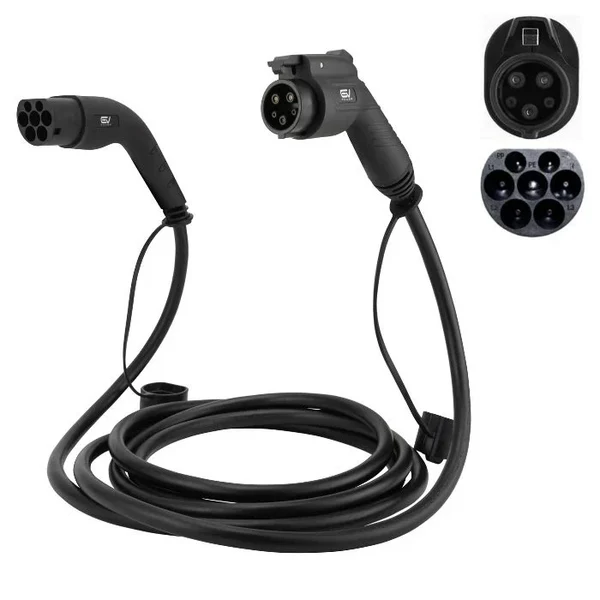
Electric vehicles have changed the way people think about transportation, bringing greater attention to efficient, convenient, and reliable charging solutions. One of the most important components of the charging process is the cable that connects the vehicle to the charging equipment. EV cables are designed to transfer electrical power safely while supporting dependable charging performance. Choosing suitable cables can improve charging efficiency, reduce unnecessary risks, and provide a smoother experience for electric vehicle owners.
Understanding Electric Vehicle Charging Cables
Electric vehicle charging cables are specially designed to handle the electrical current required to recharge an electric vehicle. Unlike ordinary electrical cables, they are built with materials, insulation, connectors, and protective features suitable for repeated charging applications.
The quality and design of a charging cable can influence how efficiently electricity reaches the vehicle. A properly selected cable helps maintain a stable connection and minimizes potential issues caused by excessive heat, mechanical stress, or environmental exposure.
Why Cable Design Matters
Charging involves significant electrical power, particularly when higher-speed charging equipment is used. Cables therefore need to manage current effectively without becoming excessively hot.
Good cable construction combines durable insulation with suitable conductors and protective layers. These features help maintain reliable electrical performance while protecting the cable from everyday wear and external conditions.
Improving Charging Safety
Safety is one of the most important considerations when charging an electric vehicle. Electrical connections must remain stable throughout the charging process to reduce the possibility of overheating, short circuits, or connection failures.
Protection Against Overheating
Heat can develop when electricity passes through a conductor, especially when high amounts of current are involved. A properly engineered cable helps manage this heat through appropriate conductor sizing and insulation.
Some charging systems also incorporate temperature monitoring and protective mechanisms. These features can detect unusual temperature increases and reduce or stop power delivery when necessary.
Secure Electrical Connections
A secure connection is essential for safe charging. Loose or poorly fitted connections may create resistance, which can generate additional heat and reduce charging reliability.
High-quality connectors are designed to fit securely into compatible charging ports. This helps maintain consistent electrical contact and reduces the likelihood of interruptions during charging.
Enhancing Charging Performance
Charging speed depends on several factors, including the vehicle, charging equipment, battery capacity, and electrical supply. The cable also plays an important role because it must safely carry the required electrical current.
Supporting Higher Charging Speeds
Modern electric vehicles increasingly support faster charging technologies. These systems require cables capable of handling higher power levels without compromising safety.
A suitable cable allows electrical energy to move efficiently between the charging source and the vehicle. Using an incorrectly rated cable may limit charging performance or create unnecessary electrical stress.
Reducing Energy Loss
Electrical resistance can result in energy loss during power transmission. Appropriate conductor materials and cable construction can help minimize resistance and improve overall efficiency.
Lower energy loss can contribute to more effective charging and reduce unnecessary heat generation. This becomes particularly important during extended charging sessions or when higher power levels are used.
Durability and Everyday Reliability
Charging cables are frequently handled, connected, disconnected, stored, and transported. As a result, durability is essential for maintaining reliable performance over time.
Resistance to Physical Wear
A charging cable may experience bending, twisting, pulling, and repeated movement. Strong outer jackets and flexible construction can help protect internal components from physical damage.
Users should avoid sharply bending or tightly winding cables because excessive stress can gradually affect their internal structure. Proper handling can extend the useful life of a cable.
Weather and Environmental Protection
Electric vehicles are often charged outdoors, exposing charging equipment to sunlight, rain, dust, temperature changes, and other environmental conditions.
Suitable cables are designed with protective insulation and outer materials that can withstand expected environmental exposure. Weather-resistant construction helps maintain performance while reducing deterioration caused by outdoor use.
Choosing the Correct Cable
Not every charging cable is suitable for every electric vehicle or charging setup. Compatibility should always be considered before purchasing or using a cable.
Check Current and Power Ratings
Charging equipment and vehicles have specific electrical requirements. The cable should be rated appropriately for the expected current and power level.
Using a properly rated cable helps ensure that the charging system can operate according to its intended specifications. Checking the technical information provided with the vehicle and charging equipment is an important part of selecting the right option.
Consider Cable Length
Cable length can affect convenience. A cable that is too short may make it difficult to position the vehicle correctly, while an unnecessarily long cable can be heavier and harder to store.
The ideal length depends on the location of the charging point and the vehicle’s parking position. Selecting a practical length can make regular charging easier and more organized.
Proper Maintenance for Better Performance
Even well-designed charging equipment requires appropriate care. Regular inspection can help identify damage before it becomes a larger problem.
Users should check cables for visible cuts, exposed wires, damaged connectors, unusual discoloration, or signs of overheating. Any cable showing serious damage should not be used until it has been professionally inspected or replaced.
Keeping connectors clean and storing the cable in a dry, protected location can also help preserve its condition. Avoiding unnecessary pressure, sharp bends, and contact with damaging substances supports longer-term reliability.
The Role of Cables in the Future of Electric Mobility
As electric vehicle adoption continues to grow, charging technology will continue to develop. Faster charging, improved energy management, and smarter charging systems are expected to become increasingly important.
Future EV charging cables will likely focus on greater power-handling capabilities, improved flexibility, stronger materials, and enhanced safety features. Advances in charging infrastructure may also encourage more sophisticated communication between vehicles, charging equipment, and electrical systems.
These developments can make electric vehicle charging faster and more convenient while supporting the wider transition toward cleaner transportation.
Conclusion
The charging cable is a critical part of an electric vehicle’s charging system. Proper construction, suitable electrical ratings, secure connectors, durable insulation, and effective environmental protection can all contribute to safer and more reliable charging. Selecting the right cable and maintaining it correctly can also help users achieve consistent charging performance while extending equipment life.
As electric mobility continues to advance, EV cables and EV charging cables will remain essential components of modern charging infrastructure. Their ability to safely transfer electrical power, support faster charging, and withstand regular use makes them an important consideration for anyone using an electric vehicle.
