


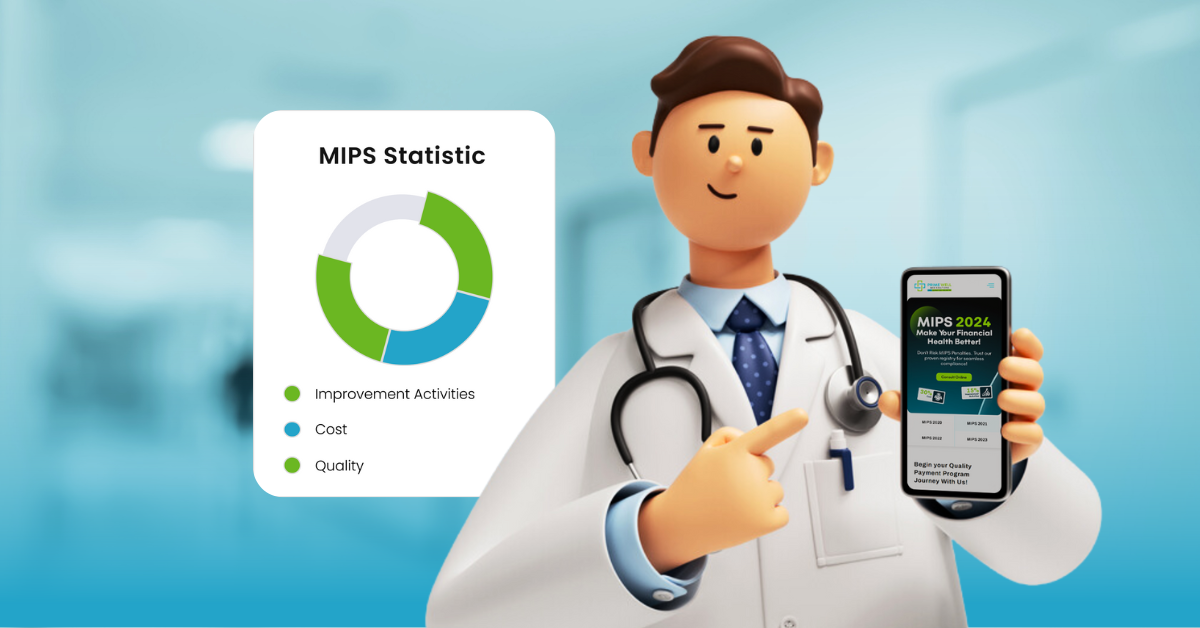
Introduction to a Good MIPS Score
A good MIPS score is an important benchmark for healthcare providers participating in Medicare reimbursement programs. The Merit-based Incentive Payment System evaluates providers based on quality, cost efficiency, clinical improvement activities, and use of technology in healthcare delivery. A strong score not only improves financial reimbursement but also reflects high-quality patient care and efficient practice management. Since the system is performance-based, even small improvements in reporting, documentation, and care coordination can significantly impact the final score. Understanding what qualifies as a good score is the first step toward achieving better results.
What is Considered a Good MIPS Score
A good MIPS score generally refers to a performance level that results in neutral or positive payment adjustments under Medicare. In most cases, scoring above the performance threshold set by the system leads to bonuses or incentive payments, while lower scores may result in penalties. The benchmark changes each performance year, so providers must stay updated with new requirements. A strong score typically reflects consistent performance across all categories rather than excellence in just one area. Healthcare organizations that maintain balanced performance usually achieve higher overall results and more stable reimbursement outcomes.
Importance of Achieving a Good MIPS Score
Achieving a good MIPS score is important because it directly affects financial performance and reputation in the healthcare industry. Providers with higher scores receive better reimbursement rates, which supports operational growth and sustainability. It also demonstrates compliance with federal quality standards and improves patient trust. A strong score reflects efficient care delivery, accurate documentation, and effective use of healthcare technology. Additionally, it reduces the risk of penalties and audits. Overall, a good MIPS score is a sign of both clinical excellence and strong administrative performance within a healthcare organization.
Key Factors That Influence a Good MIPS Score
Several factors contribute to achieving a good MIPS score. These include accurate clinical documentation, proper coding practices, patient outcome quality, and efficient resource utilization. Technology use, especially electronic health records, plays a major role in improving reporting accuracy. Staff training and awareness of MIPS requirements are also critical. Another important factor is timely submission of data without errors. Providers who consistently monitor performance and make improvements throughout the year are more likely to achieve strong results. Each of these factors works together to determine the final MIPS score.
Quality Performance and Its Impact on a Good Score
Quality performance is one of the most important components of MIPS scoring. It evaluates how effectively providers deliver patient care and manage outcomes. To achieve a good score, healthcare providers must focus on preventive care, chronic disease management, and patient safety. Accurate reporting of clinical data is essential for success in this category. Regular audits and performance reviews help identify areas for improvement. Providers who consistently follow evidence-based guidelines and maintain strong patient outcomes are more likely to achieve higher quality scores, which significantly boosts overall MIPS performance.
Role of Cost Efficiency in Achieving a Good MIPS Score
Cost efficiency plays a key role in determining a good MIPS score. This category measures how well providers manage healthcare resources while maintaining quality care. Reducing unnecessary procedures, avoiding duplicate testing, and improving care coordination help lower overall costs. Efficient use of resources not only improves financial performance but also enhances patient satisfaction. Providers who focus on value-based care rather than volume-based care tend to perform better in this category. Effective cost management contributes directly to achieving a higher and more stable MIPS score.
Technology’s Role in Improving MIPS Performance
Technology significantly influences the ability to achieve a good MIPS score. Electronic Health Record systems help ensure accurate documentation and seamless data sharing between providers. Proper use of digital tools improves reporting accuracy and reduces administrative errors. Automation in healthcare billing and reporting also enhances efficiency. Regular training ensures staff can fully utilize system features. Secure and well-integrated technology systems improve performance in interoperability, which is a key scoring category. Overall, technology helps streamline operations and supports better clinical and financial outcomes.
Best Practices for Maintaining a Good MIPS Score
Maintaining a good MIPS score requires continuous effort and strong organizational practices. Healthcare providers should focus on regular performance monitoring, staff training, and accurate documentation. Conducting internal audits helps identify errors before submission. Setting clear performance goals for each category ensures consistent improvement. Communication between clinical and administrative teams is also essential for reducing mistakes. Staying updated with policy changes and adjusting strategies accordingly helps maintain strong performance year after year. These best practices create a stable foundation for long-term success in MIPS scoring.
Conclusion
A good MIPS score represents high-quality healthcare delivery, efficient resource management, and strong compliance with Medicare standards. Achieving it requires a balanced focus on quality care, cost efficiency, technology use, and accurate reporting. Providers who continuously monitor performance and implement improvement strategies are more likely to succeed. Ultimately, a strong MIPS score benefits both healthcare organizations and patients by ensuring better care outcomes and financial stability.
